

Bitcoin in South Africa has grown from a niche digital concept into one of the most talked-about financial topics in the country. With increasing global adoption, South Africans are actively buying, trading, and holding bitcoin both as an investment and as a hedge against inflation. As of 2025, bitcoin is one of the most searched financial terms in South Africa, and its price in rand remains a key focus for investors and the broader public.
This comprehensive guide explains everything you need to know about bitcoin in South Africa — from understanding how bitcoin works and how to buy it locally, to learning about bitcoin price in rand, regulation, taxation, wallets, and the latest bitcoin news now. Whether you are a beginner trying to figure out how to join bitcoin or an experienced investor exploring bitcoin trading South Africa opportunities, this article provides reliable, helpful, and locally relevant information to help you navigate the bitcoin market confidently.
ALSO READ: How to Create a Bitcoin Wallet in South Africa (2025 Guide)
What Is Bitcoin?
Bitcoin is a decentralised digital currency that operates without a central authority such as a government or bank. It was launched in 2009 by an anonymous developer known as Satoshi Nakamoto and runs on blockchain technology — a transparent and tamper-resistant ledger that records all bitcoin transactions.
Unlike traditional currencies, bitcoin’s supply is limited to 21 million coins, making it a deflationary asset. This scarcity contributes to its value and price volatility, both globally and in South Africa.
South Africans can buy, sell, trade, or hold bitcoin through registered cryptocurrency platforms. Over the past few years, bitcoin has become increasingly accessible through mobile apps, payment platforms, and local exchanges that support the South African rand (ZAR).
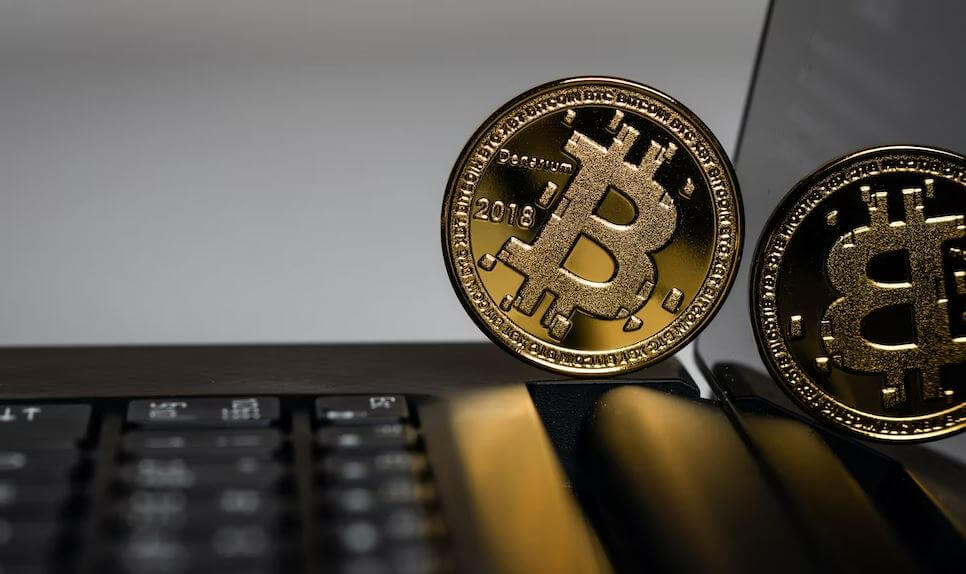
Why Bitcoin Matters in South Africa
Economic and financial context
Bitcoin’s popularity in South Africa can be linked to several economic and financial factors:
- Currency fluctuations: The rand (ZAR) experiences periods of volatility against major global currencies such as the US dollar. Some South Africans view bitcoin as a hedge against currency devaluation.
- Inflation concerns: With rising living costs, bitcoin is seen by some investors as an alternative store of value.
- Accessibility: Unlike traditional investments, bitcoin is easy to access through smartphones, mobile wallets, and online platforms.
- Financial inclusion: Bitcoin provides financial services to those who may not have access to formal banking systems, particularly in rural areas.
Growing adoption
Bitcoin trading in South Africa has grown rapidly. According to data from major exchanges, tens of thousands of new South African users register every month. Businesses are also beginning to experiment with cryptocurrency payments.
This trend is supported by an increasingly clear regulatory framework, more awareness campaigns, and expanding educational initiatives about digital currencies.
How to Buy Bitcoin in South Africa
Buying bitcoin in South Africa is a straightforward process, but it’s important to use regulated and reputable platforms. Here’s how to get started:
Step 1: Choose a reputable exchange
Select a trusted cryptocurrency exchange that supports the South African rand. Some local and international exchanges operate legally under South African law and follow Financial Intelligence Centre Act (FICA) compliance rules.
When comparing exchanges, consider:
- FSCA (Financial Sector Conduct Authority) registration status
- Trading fees and withdrawal charges
- Security features like two-factor authentication (2FA)
- Available payment options (EFT, debit card, or instant transfer)
- Availability of bitcoin/ZAR trading pairs
Well-known exchanges typically publish their registration details and compliance information on their websites.
Step 2: Create and verify your account
You will need to provide your personal details and verify your identity using official documents such as an ID card or passport, in line with FICA requirements. Verification helps prevent fraud and ensures compliance with anti-money laundering (AML) laws.
Step 3: Deposit funds
After verification, deposit South African rand (ZAR) into your exchange account via bank transfer, debit card, or other supported payment methods. Some platforms may also support PayPal deposits, allowing you to buy bitcoin with PayPal after converting the funds into ZAR.
Step 4: Buy bitcoin
Once your account is funded, navigate to the BTC/ZAR trading pair. Enter the amount of bitcoin you wish to purchase and confirm the transaction. The bitcoin price in rand will update in real-time, so you can see exactly how much you are paying.
Step 5: Store your bitcoin securely
You can leave your bitcoin in the exchange wallet or transfer it to your own private wallet for added security. The latter is recommended if you are holding bitcoin long-term.
Choosing the Best Bitcoin Wallet in South Africa
A bitcoin wallet is essential for storing and managing your bitcoin securely. There are different types of wallets available:
1. Software wallets
These are mobile or desktop apps that let you send, receive, and store bitcoin. Examples include Trust Wallet, Electrum, and BlueWallet. They are convenient but should be used with strong passwords and 2FA.
2. Hardware wallets
Hardware wallets such as Ledger or Trezor store bitcoin offline, making them immune to online hacks. These are ideal for large holdings or long-term investors.
3. Custodial wallets
These are provided by exchanges or third-party platforms. The provider controls the private keys, so while convenient, they are less secure than non-custodial options.
Choosing the best wallet
For South African users, the best bitcoin wallet should offer:
- Support for ZAR valuation
- Easy user interface
- Backup and recovery options
- Local support and transparent fees
Always back up your seed phrase offline and never share it.
Bitcoin Price in South Africa
Understanding bitcoin price in rand (ZAR)
The bitcoin price in South Africa is determined by global bitcoin prices converted into ZAR. It fluctuates based on international demand, global exchange rates, and local market factors such as liquidity and trading volume.
For instance, if bitcoin’s global price is USD 70,000 and the USD/ZAR exchange rate is 19, the bitcoin price in rand will be approximately R1,330,000, excluding transaction fees.
Bitcoin price history
Bitcoin has experienced a remarkable journey since its inception:
- 2010: Bitcoin traded at less than $1.
- 2013: It reached $1,000 for the first time.
- 2017: The price peaked near $20,000 before a sharp correction.
- 2021: Bitcoin hit a new all-time high above $68,000.
- 2022-2023: The market experienced volatility amid regulatory and macroeconomic changes.
- 2024-2025: The price recovered, driven by institutional adoption and renewed investor confidence.
For South Africans, bitcoin’s price history in rand mirrors global trends but is also affected by fluctuations in the local currency.
Bitcoin volatility
Bitcoin volatility refers to its rapid and unpredictable price movements. While this creates trading opportunities, it also means risk. South African traders should monitor both global bitcoin price and the USD/ZAR exchange rate.
Volatility can be influenced by:
- Market sentiment and news
- Regulatory changes
- Bitcoin halving events
- Macroeconomic shifts
Bitcoin Price Prediction in South Africa
Bitcoin price prediction is a hot topic among investors. Analysts and institutions often publish forecasts based on technical indicators and market sentiment.
While short-term bitcoin price prediction today can be uncertain, many experts believe that bitcoin’s long-term trajectory remains bullish due to its limited supply and growing institutional interest.
However, predictions should not be treated as guarantees. Instead, South African investors should base decisions on sound research, risk management, and diversification.
Regulation of Bitcoin in South Africa
Legal framework
Bitcoin is legal in South Africa but not recognised as legal tender. This means merchants are not obliged to accept it, although individuals are free to buy, sell, and hold it.
The Financial Sector Conduct Authority (FSCA) classifies crypto assets, including bitcoin, as financial products under the Financial Advisory and Intermediary Services (FAIS) Act. This classification subjects crypto service providers to certain regulatory and licensing requirements.
Taxation
The South African Revenue Service (SARS) treats bitcoin as an asset for tax purposes. Profits made from trading or selling bitcoin are subject to income tax or capital gains tax, depending on the circumstances.
Individuals must:
- Keep detailed records of transactions
- Declare gains or losses on their annual tax return
- Ensure compliance with SARS reporting requirements
Exchange control
In 2025, a South African High Court ruling clarified that cryptocurrencies are not classified as “capital” under the country’s exchange control regulations. This means they currently fall outside traditional currency controls, although new regulations are expected.
Regulatory updates
The government is working on a comprehensive framework for cross-border crypto flows and anti-money-laundering compliance. This is expected to bring greater transparency and consumer protection to the market.
Bitcoin Trading in South Africa
How trading works
Bitcoin trading involves buying and selling bitcoin to profit from price changes. Traders in South Africa can participate in:
- Spot trading: Buying or selling bitcoin at current market prices.
- Margin trading: Using leverage to amplify gains (and losses).
- Futures trading: Speculating on future bitcoin prices.
Trading strategies
Popular strategies among South African traders include:
- Swing trading: Taking advantage of short-term price movements.
- Scalping: Making small profits on frequent trades.
- HODLing: Buying and holding bitcoin long-term.
Risk management
Due to bitcoin volatility, risk management is essential:
- Set stop-loss orders to limit losses.
- Diversify your portfolio.
- Avoid emotional trading.
- Keep up with bitcoin news now and bitcoin latest news today for market updates.
Avoiding scams
Beware of fraudulent schemes such as:
- “Bitcoin revolution Ramaphosa”
- “Patrice Motsepe bitcoin investment”
- “Patrice Motsepe bitcoin scam”. These scams falsely claim celebrity endorsements to lure investors. Always verify a platform’s FSCA registration before investing.

Free and Mobile Bitcoin Mining
Is bitcoin mining still profitable?
Bitcoin mining involves verifying transactions and securing the blockchain in exchange for newly minted coins. In South Africa, mining profitability depends on electricity costs, hardware efficiency, and bitcoin price.
Given South Africa’s high energy prices, large-scale mining may not be profitable for individuals. However, some participate in mining pools or cloud-mining services. Always research platforms offering “free bitcoin mining online” — many are scams.
Mobile bitcoin mining
Mobile mining apps claim to let you mine bitcoin using your phone, but most are not genuine. Bitcoin’s mining difficulty is too high for mobile devices. Instead, mobile apps can be used for monitoring, trading, and wallet management.
Bitcoin News and Market Sentiment
Staying informed is crucial. You can track bitcoin latest news today and bitcoin news now through reliable sources such as:
- FSCA and SARS announcements
- Reputable South African business media
- International crypto news outlets
- Verified bitcoin Twitter accounts and financial analysts
Social media trends, including bitcoin Twitter discussions, can influence short-term sentiment, but always cross-check information before making investment decisions.
Common Bitcoin Scams in South Africa
South Africans have been targeted by numerous bitcoin-related scams. Common warning signs include:
- Promises of guaranteed returns
- Use of celebrity names (Ramaphosa, Motsepe) without evidence
- Lack of FSCA registration
- Requests for upfront payments
Examples include fraudulent versions of “the bitcoin revolution” or “bitcoin revolution review” websites. If a platform claims high profits with little risk, it’s best avoided.
Economic Impact of Bitcoin in South Africa
Bitcoin contributes to South Africa’s financial innovation in several ways:
- New business opportunities: Local startups are developing blockchain-based financial products.
- Cross-border payments: Bitcoin can facilitate international trade and remittances without traditional banking delays.
- Investment diversification: South Africans can access a new asset class uncorrelated with traditional markets.
- Financial education: Bitcoin adoption encourages digital literacy and awareness of monetary systems.
However, bitcoin’s volatility and regulatory uncertainty mean it remains a high-risk investment unsuitable for everyone.
Future of Bitcoin in South Africa
The future of bitcoin in South Africa looks promising. As regulation matures, more institutional investors and businesses are likely to participate. The FSCA’s licensing of crypto-asset service providers marks a significant step toward legitimacy.
Key trends to watch:
- Greater institutional involvement
- Expansion of regulated crypto exchanges
- Potential for central bank digital currency (CBDC) interaction
- Integration with payment systems and e-commerce
While price predictions vary, most analysts expect continued long-term growth, supported by limited supply and increasing adoption.
Frequently Asked Questions (FAQs)
What is the current bitcoin price in South Africa?
The bitcoin price South Africa varies constantly and depends on global bitcoin price, the USD/ZAR exchange rate, and local market factors. Check reliable exchanges for real-time quotes in ZAR.
Is bitcoin legal in South Africa?
Yes. Bitcoin ownership and trading are legal, but it’s not recognised as legal tender. Crypto service providers must comply with FSCA and FIC regulations.
How can I buy bitcoin with PayPal?
Some international platforms allow PayPal deposits, which can be converted to bitcoin. However, check that the platform supports South African customers and complies with local regulations.
What is the best bitcoin wallet for South Africans?
Hardware wallets like Ledger and Trezor are considered the most secure for long-term storage. For daily transactions, mobile wallets with strong security are suitable.
What is the bitcoin revolution Ramaphosa?
“Bitcoin revolution Ramaphosa” is a fraudulent scheme falsely linking President Cyril Ramaphosa to bitcoin investments. It is not endorsed or legitimate. Always verify information before investing.
How can I avoid bitcoin scams?
Only use FSCA-registered platforms, avoid unrealistic profit promises, and never share your private keys or seed phrase with anyone.
What is the future bitcoin price prediction?
While some analysts expect bitcoin to exceed previous highs, predictions vary. Always treat forecasts as speculative and invest only what you can afford to lose.
Conclusion
Bitcoin in South Africa is evolving rapidly — from a speculative asset to a recognised financial product regulated under national law. Its growing popularity reflects both opportunity and caution: the bitcoin price in rand continues to attract investors, while volatility reminds users of the risks.
South Africans can now buy bitcoin safely through regulated exchanges, store it in secure wallets, and trade it responsibly. As the regulatory environment matures and adoption increases, bitcoin is likely to play a bigger role in South Africa’s digital financial future.
The key takeaway: bitcoin offers freedom, transparency, and global access — but success depends on knowledge, security, and smart decision-making. Stay informed with bitcoin news now, choose the best bitcoin wallet for your needs, and always invest with caution and clarity.